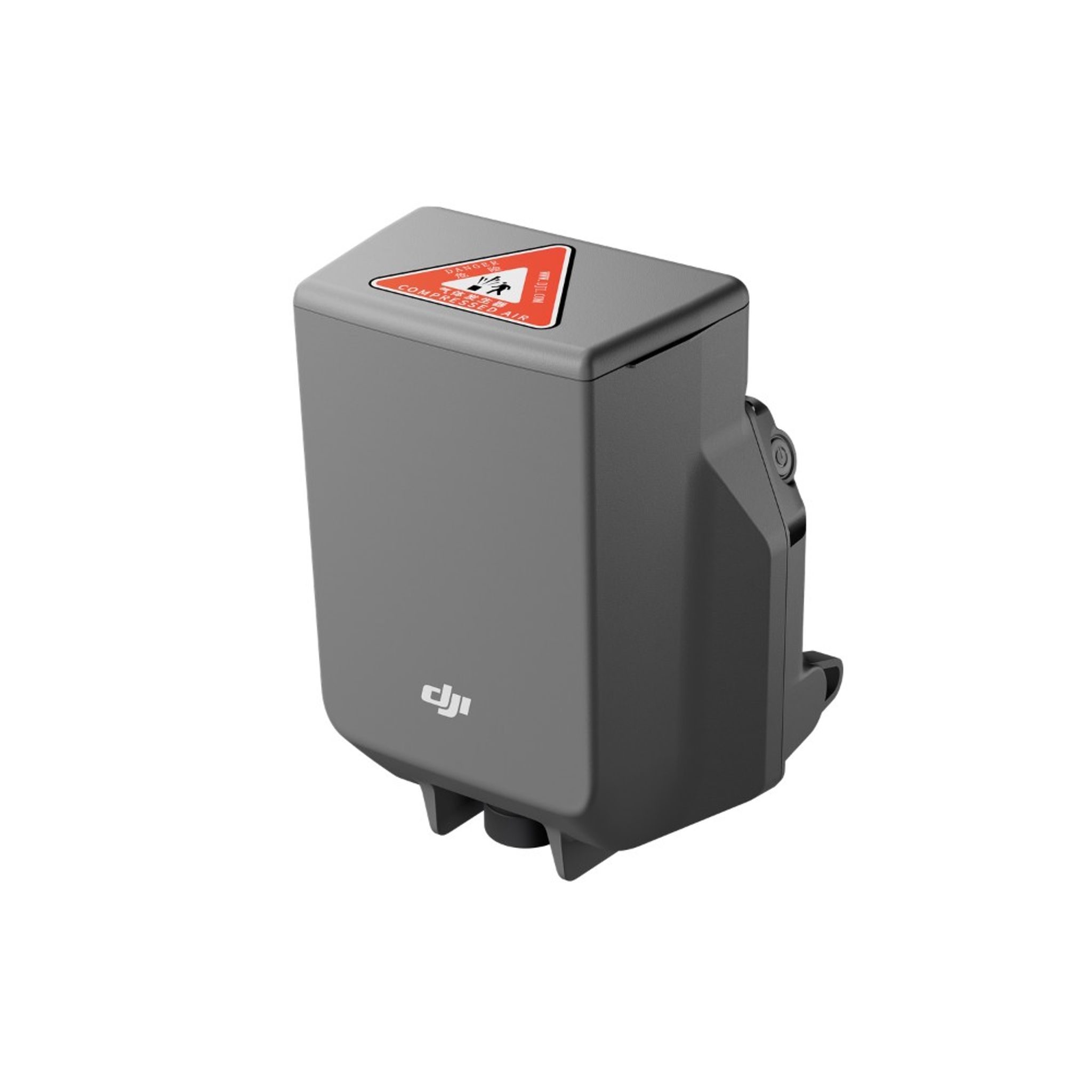
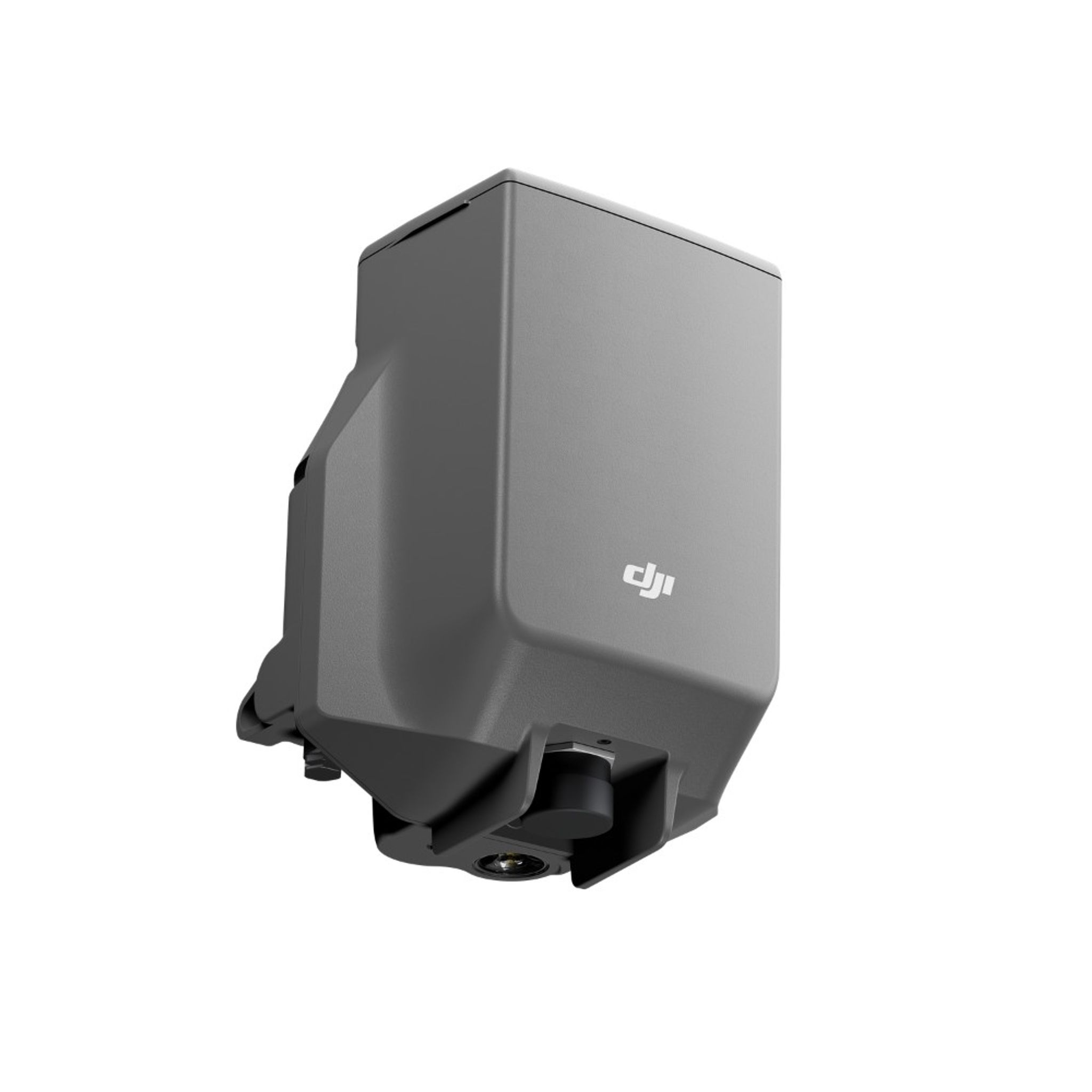


DJI AP100 Parachute
DJI Enterprise's first parachute system for the Matrice 400. It meets EASA's requirements for C5 as well as MoC 2511/2512 and unlocks flights in densely populated areas.
• Provides C5, enabling STS-01
• In line with MoC 2511 (enhanced containment) and MoC 2512 (M2 mitigation)
• Activated directly in DJI Pilot 2, no extra remote controller needed
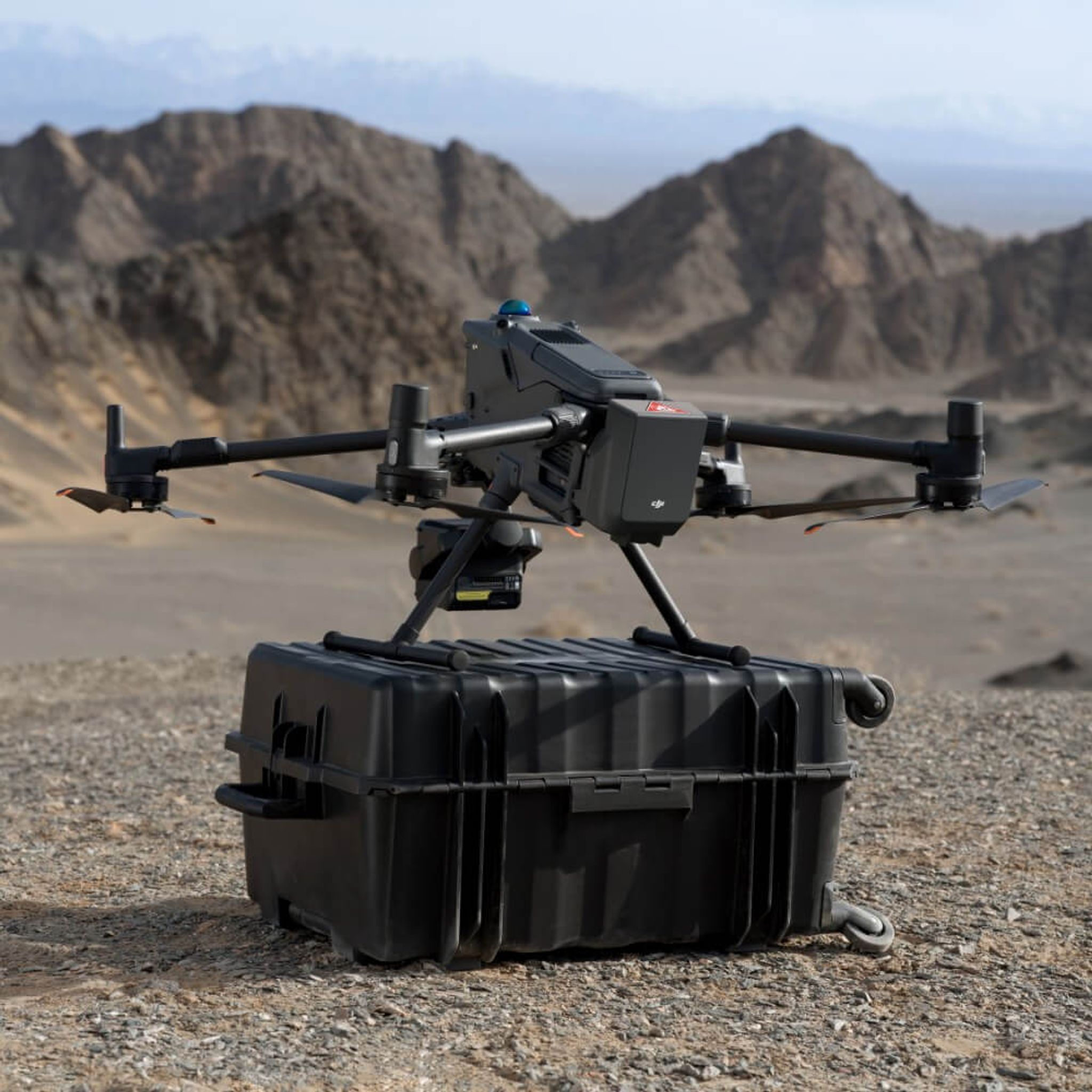
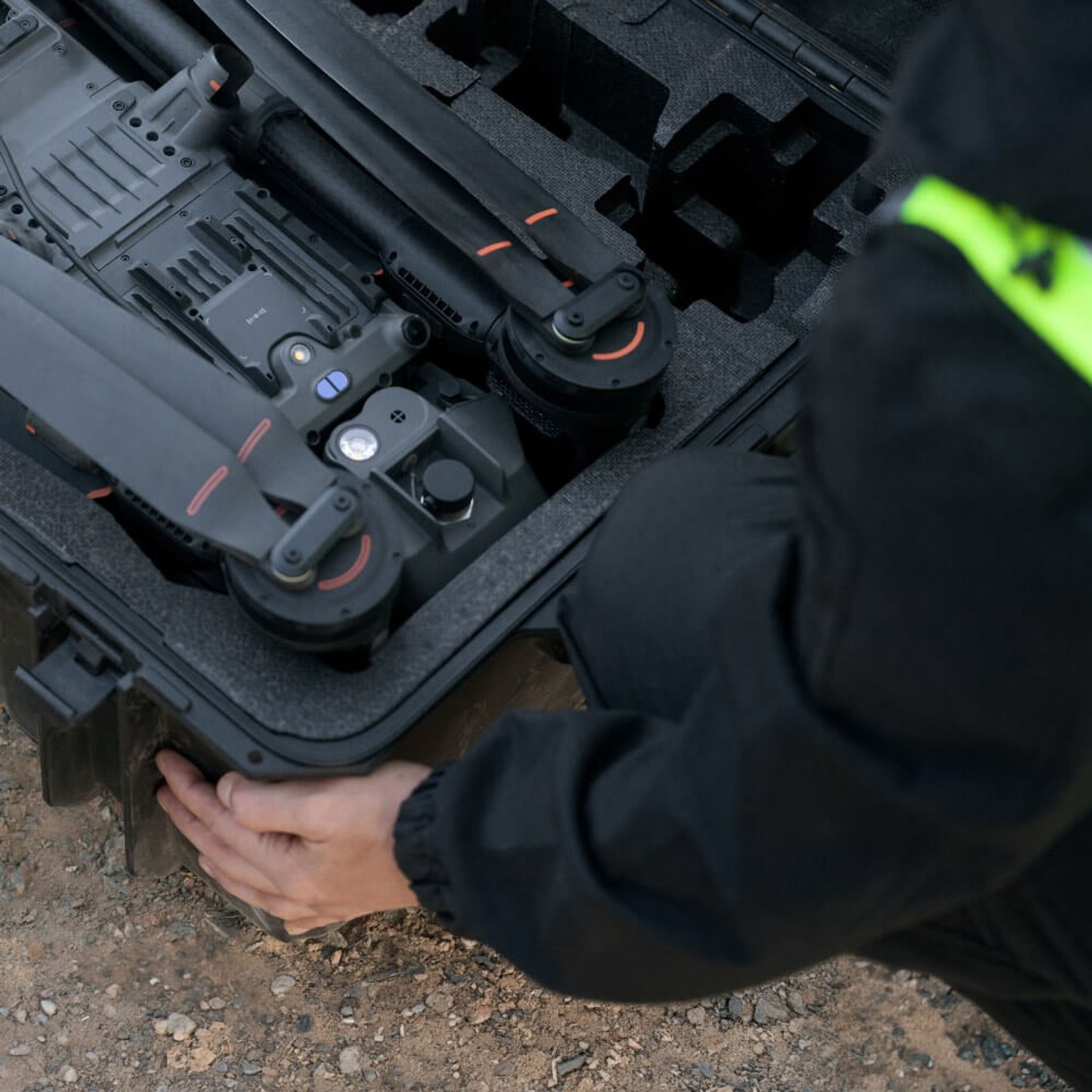
• Stays on the drone when it is packed in the case
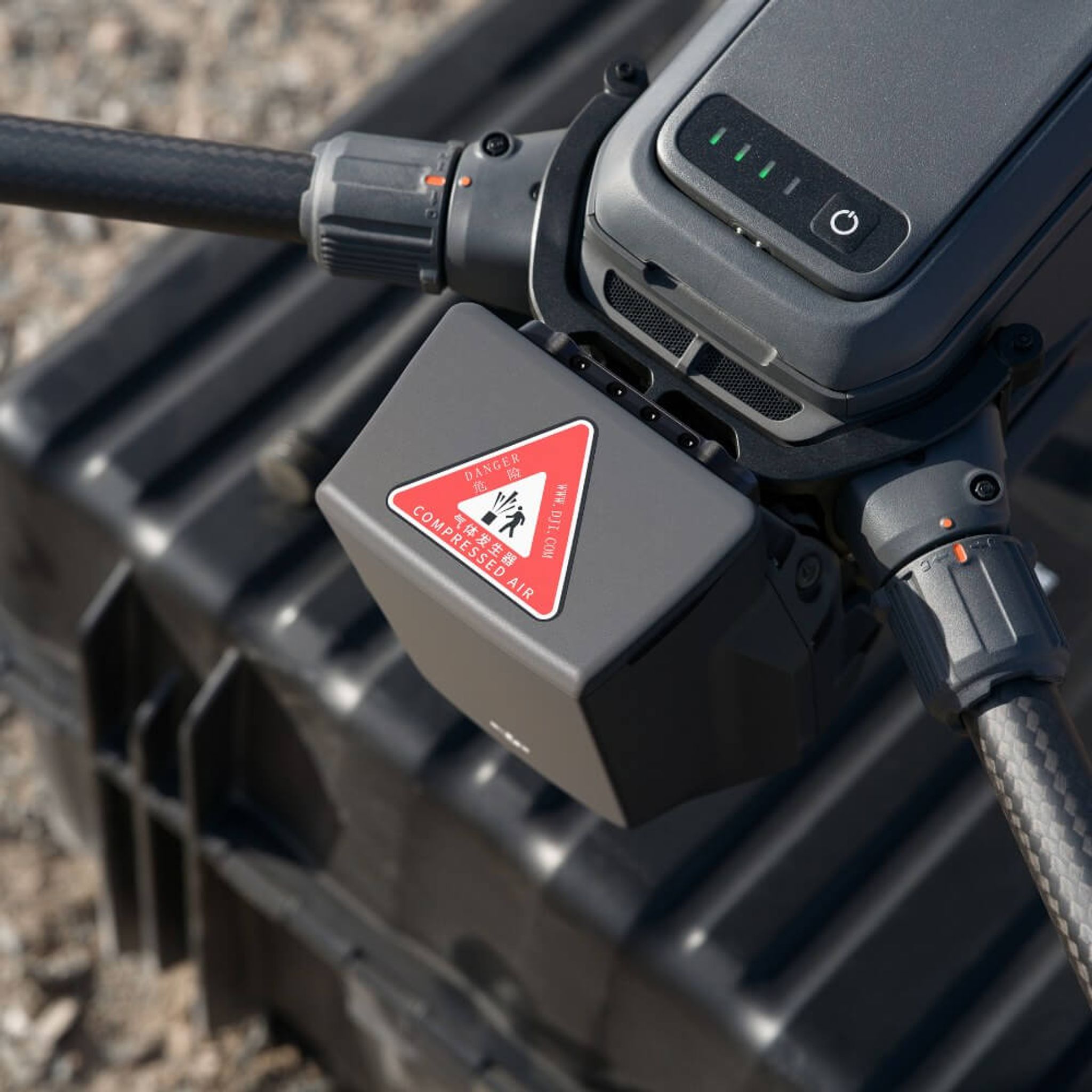
• 935 grams, IP55 rating: light and durable for field use
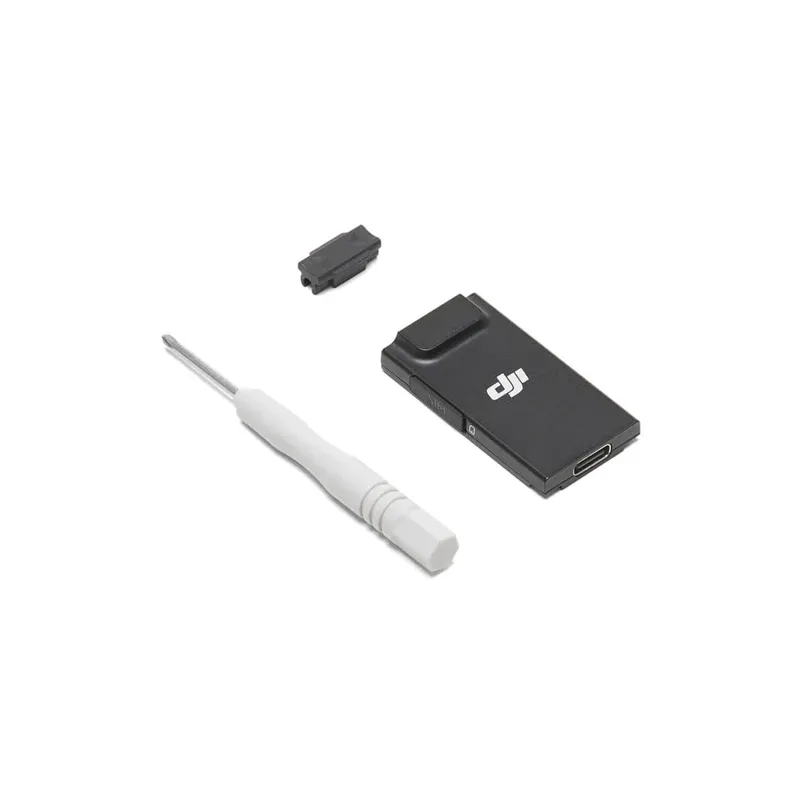
NOTE - Dongle 2 is required in both the drone and the RC to use the AP100. DJI recommends 2x Dongle 2 in the drone.
Read more
Recommended accessories


Similar products


Description of DJI AP100 Parachute
 DJI AP100 parachute system with FTS for the Matrice 400
DJI AP100 is DJI Enterprise's first parachute system with an integrated Flight Termination System (FTS), developed specifically for the Matrice 400. The system is EU type-certified (Applus+) and declared in accordance with Means of Compliance MoC 2511 and MoC 2512, and meets the safety requirements for C5. Together, this gives the Matrice 400 the coverage required for operations under STS-01 (VLOS), as well as a range of authorisations in the Specific category.
The point is not just the approval itself, but how easy the AP100 makes it. For missions in densely populated areas, where the rules are strict, a certified parachute system is a concrete way of demonstrating high safety redundancy to the authority, which in practice improves the chances of obtaining an authorisation. Where previous solutions involved bulky external equipment and tangled wires, the AP100 is an integrated unit that you mount once and then more or less forget about: it is activated directly from the remote controller, stays on in the transport case and handles its own monitoring. The AP100 combines regulatory weight with a user-friendliness that simply has not been brought together in a single system before.

Built for fast, reliable deployment
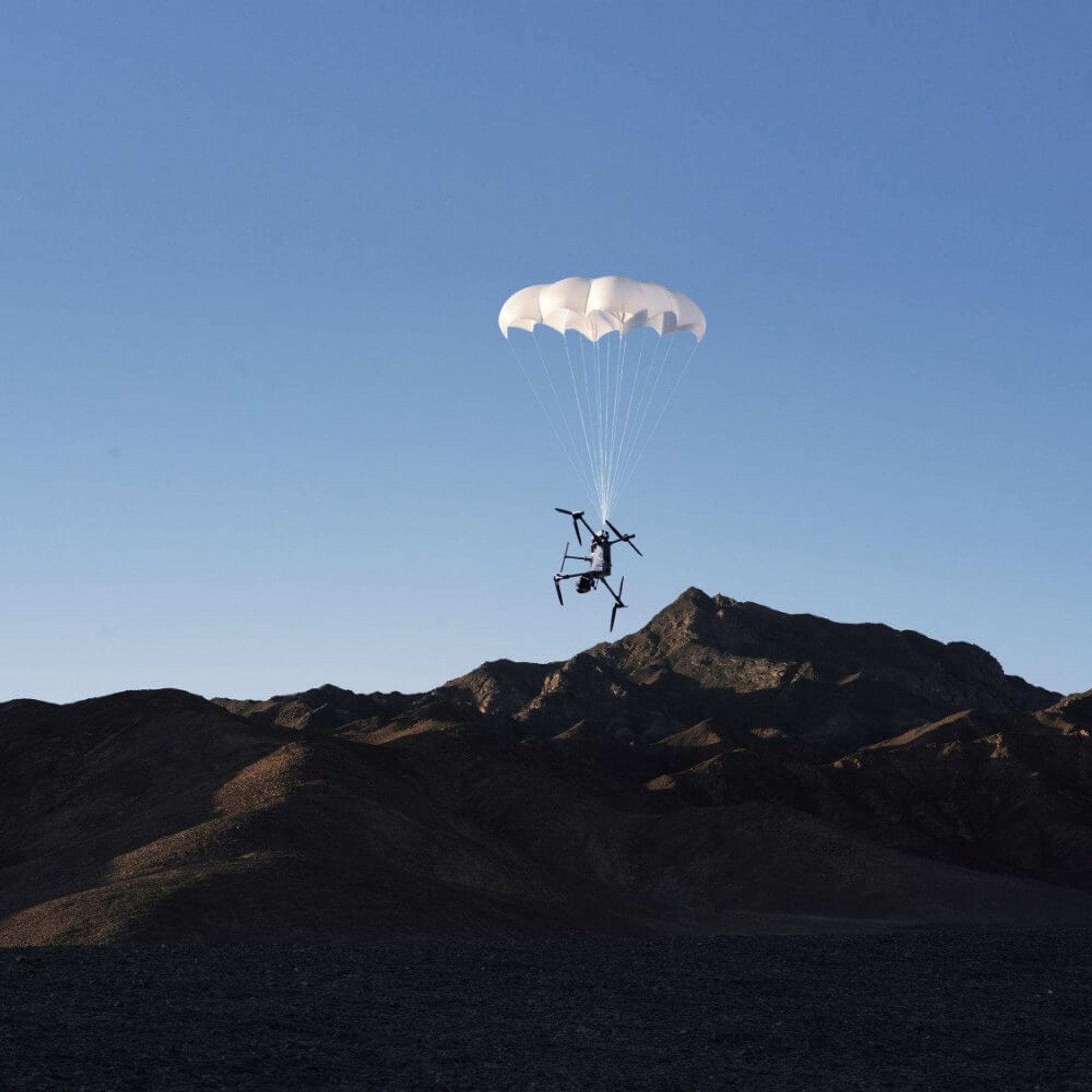
The AP100 uses pyrotechnic deployment, the same principle as an airbag, where a gas generator ejects the parachute and pulls the lines straight in under 600 milliseconds. This provides the fastest activation and highest reliability on the market, with a stabilised descent rate of ≤5 m/s. The system works from a height of 30 metres and above. On deployment, the integrated FTS cuts power to the motors and stops them, preventing the lines from becoming tangled in the propellers.

Full redundancy, independent of the drone
The AP100 is built to work even if the drone's own systems fail. The FTS sends its trigger command directly to the drone's ESC via its own independent circuit. The system has independent backup power via built-in dual capacitors, which power the processor, sensors and ejection mechanism even if the main battery loses power. The backup power lasts for approximately one hour after shutdown. It uses its own sensors for status assessment and does not rely fully on data from the drone's flight controller. From the moment the Matrice 400 is started, the gas generator and communication links are continuously monitored, and any anomalies are reported in real time via the Health Management System (HMS) in DJI Pilot 2.
Multiple deployment methods
Automatic deployment occurs in the event of abnormal movement (severe rolling or diving) or abnormal speed (free fall or rapid loss of altitude), as well as via geocaging (EU). Manual deployment is done from the remote controller by tapping the parachute icon in DJI Pilot 2 and dragging a safety slider. For manual triggering there is also a dedicated 4G channel, independent of the regular RC link, which requires a DJI Cellular Dongle 2 with an active SIM card in the M400. In the EU, the FTS can also be triggered via the FlightHub 2 web interface (fh.dji.com/fts) using the flight controller's serial number and a verification code. FTS and 4G Enhanced Transmission can be used simultaneously without affecting each other.

Geocaging (EU)
The operational volume (OV) consists of the flight geography (FG) and the contingency volume (CV). Within the flight geography, take-off, the mission and landing take place normally. If the drone approaches the boundary, it slows down and hovers, and the pilot is warned in FlightHub 2 and Pilot 2. If the drone leaves the operational volume, the FTS is triggered automatically. After deployment, the landing point is recorded and the drone's position is reported.

Built for fieldwork
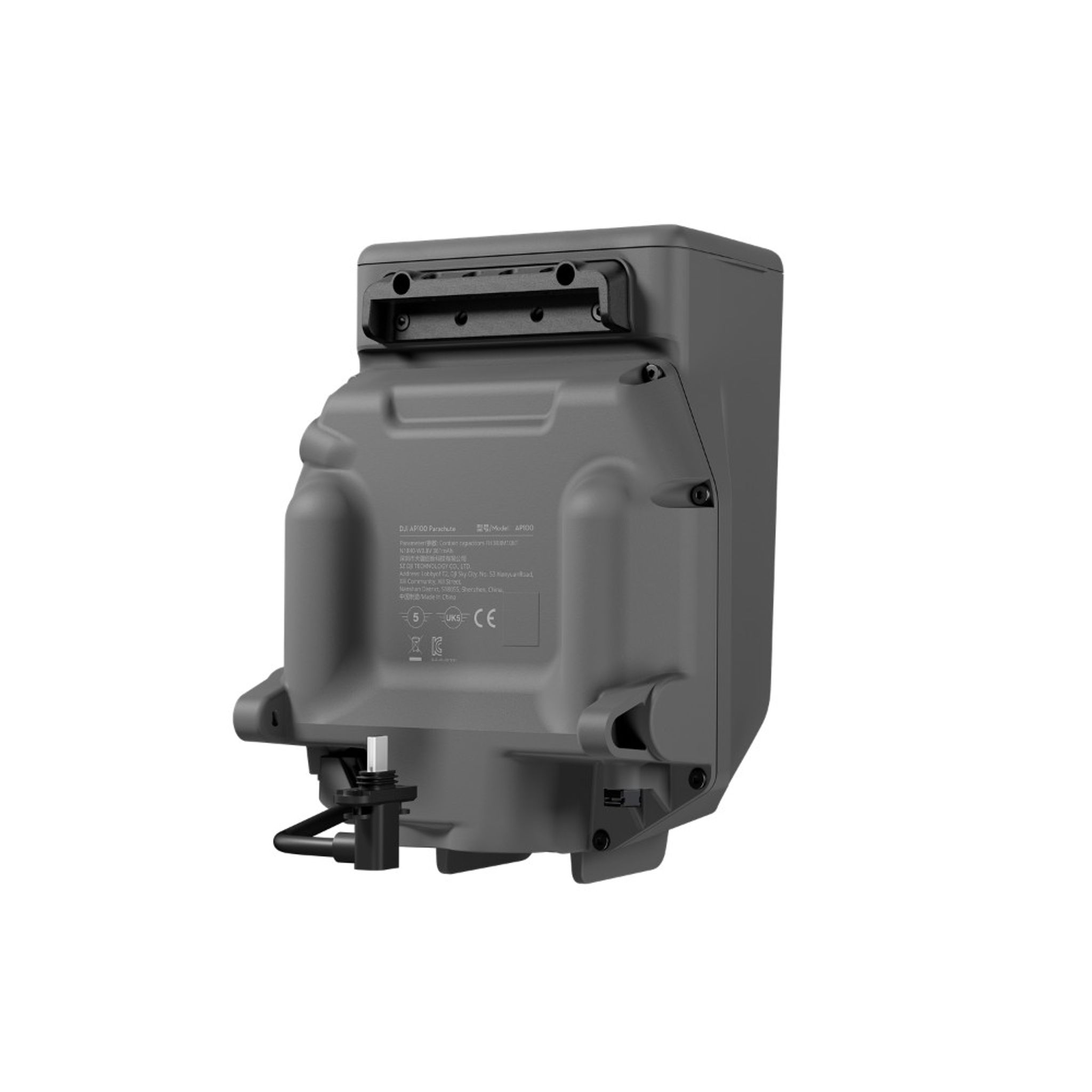
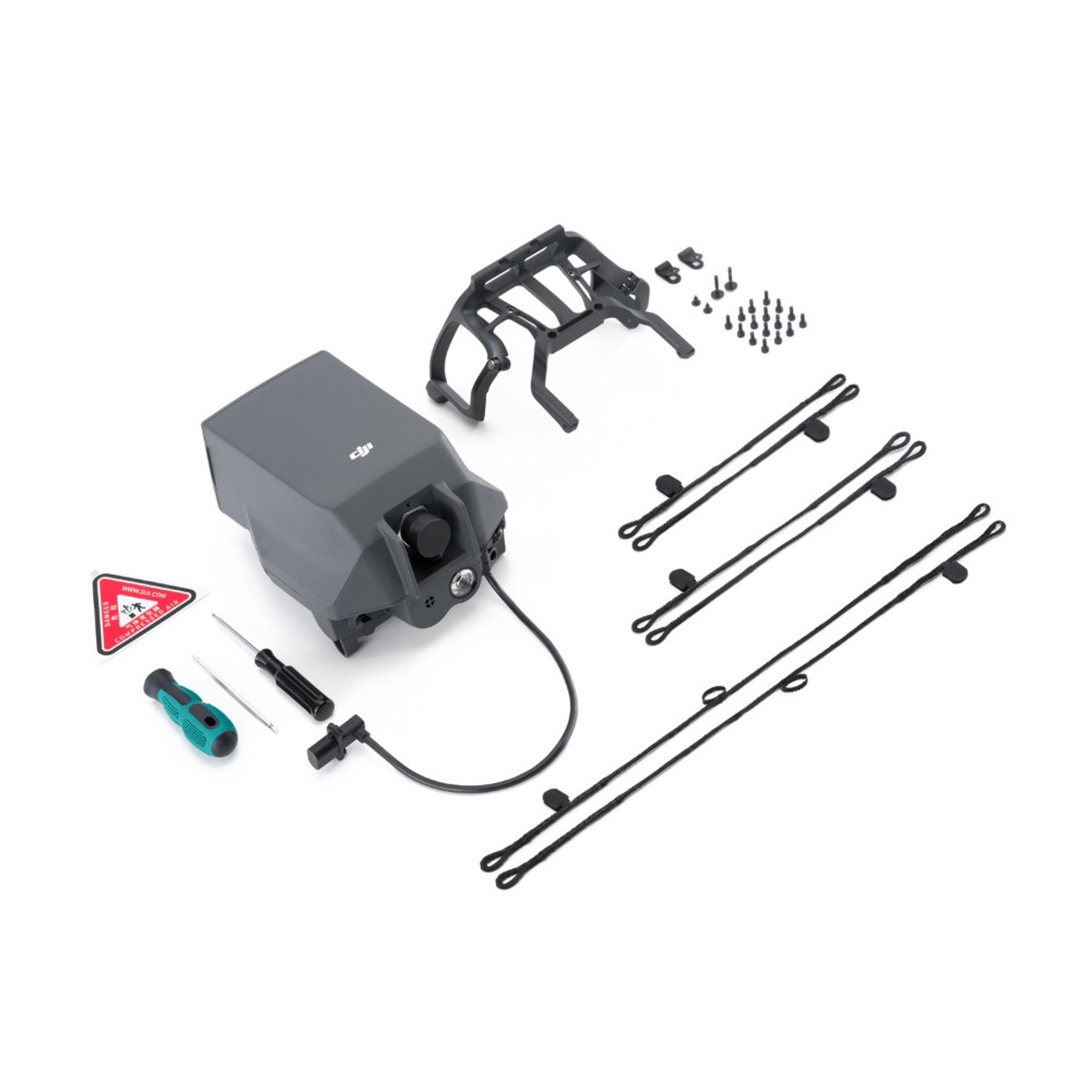
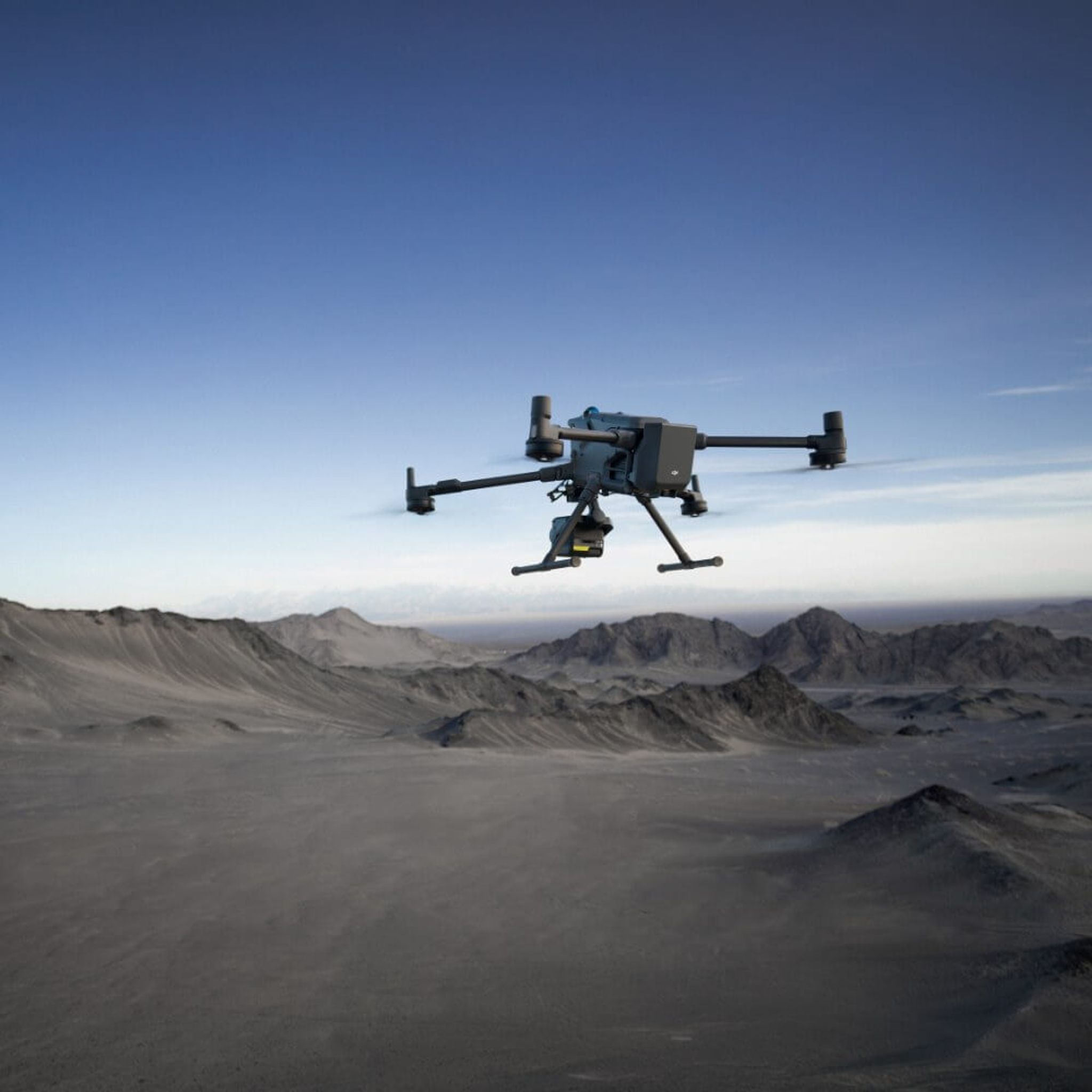
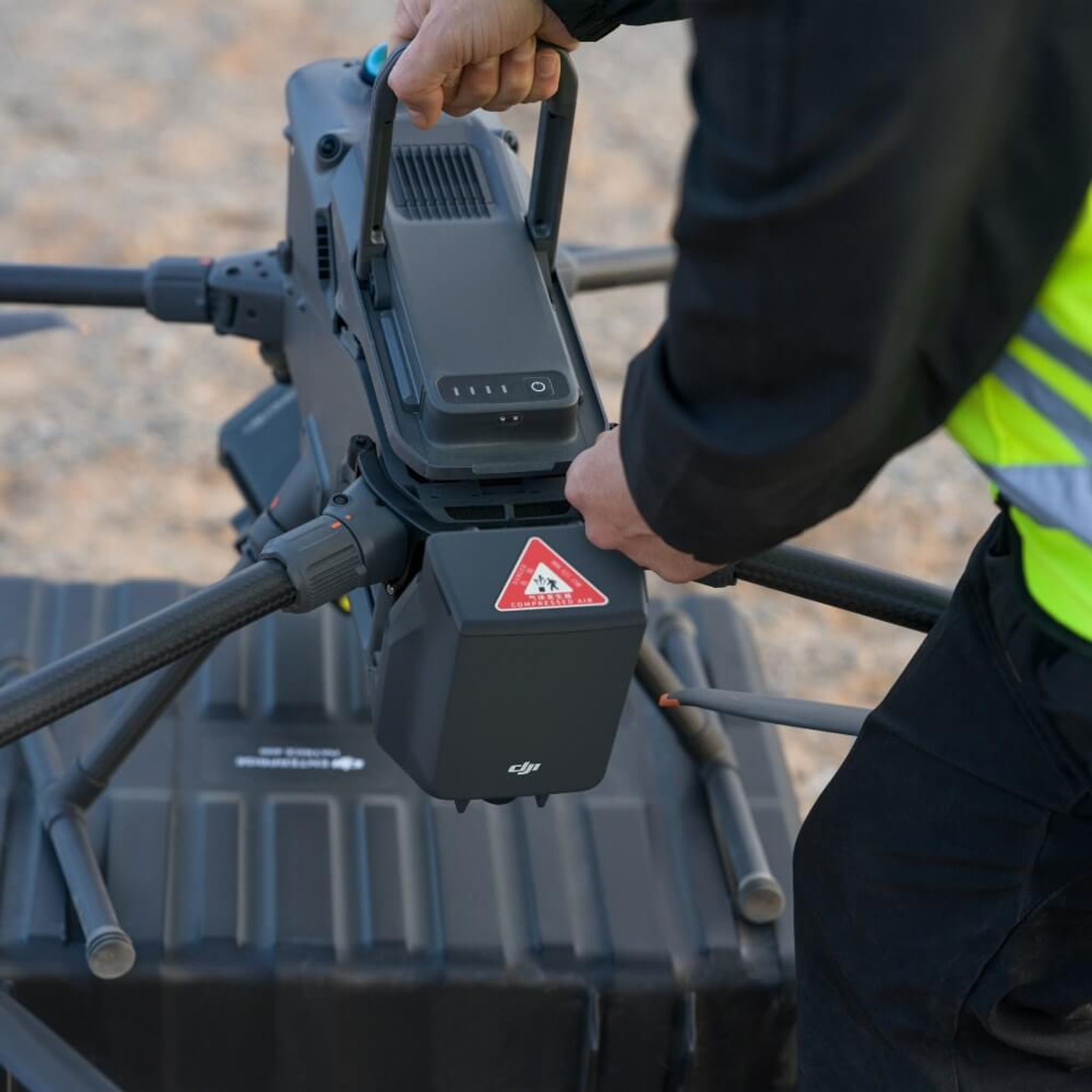
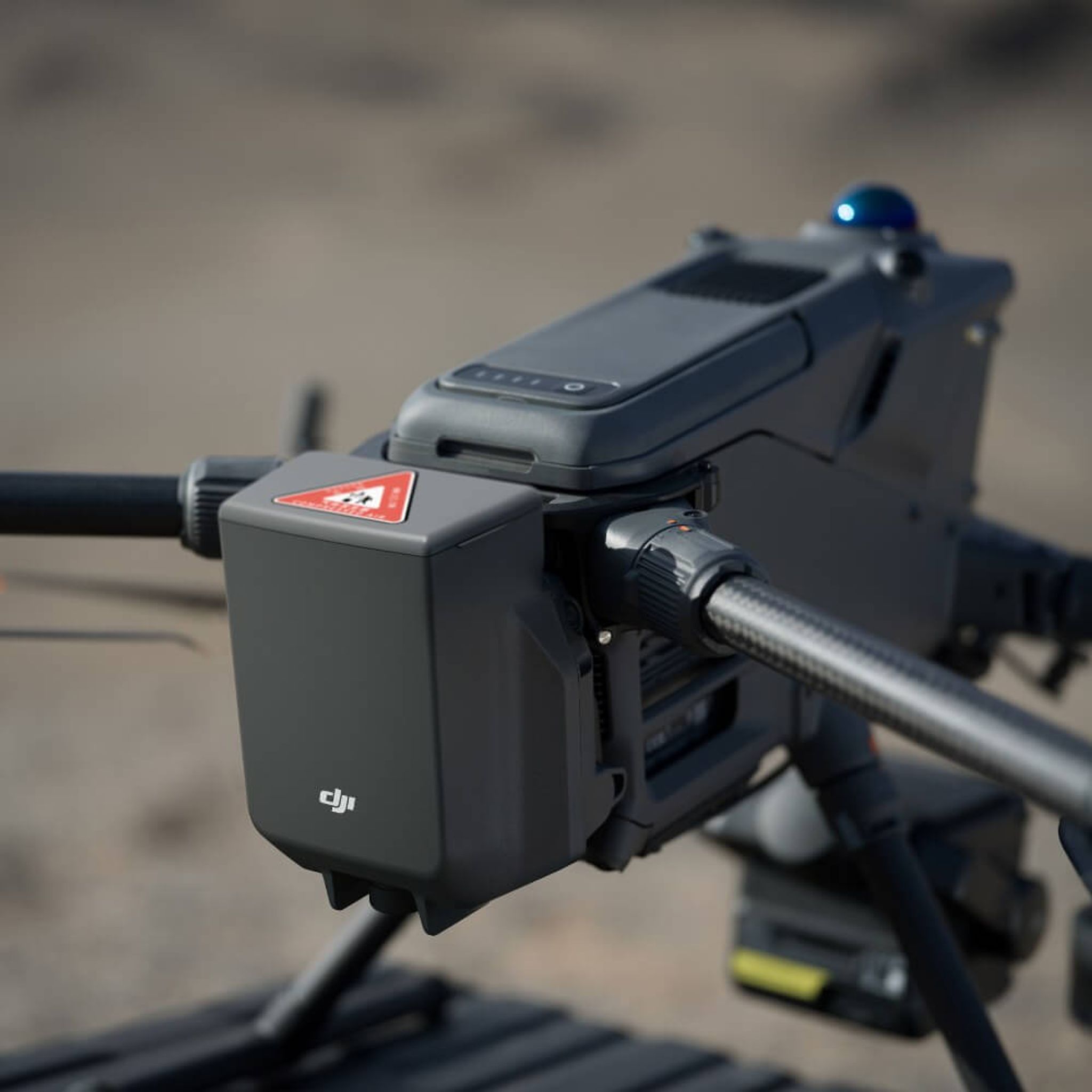
The AP100 is mounted at the rear of the drone via a fixed mounting bracket and does not need to be removed. The Matrice 400 can be placed in its regular transport case with the system mounted, eliminating repeated mounting and removal. The rear mounting does not affect battery or payload installation. Connection is via an E-Port V2 cable to the E4 port, with no tangled external wires or separate radio units. The unit weighs 935 g, has an IP55 rating for rain and harsh environments, and an operating range of −20 °C to 50 °C. Sound and light signals warn people on the ground during deployment and help locate the drone for approximately one hour after landing. The alarm is switched off with a button on the unit once the drone has been recovered.

Gimbal safety tether
When used on the Matrice 400, a gimbal safety tether is included and required, as a physical backup to prevent the payload from coming loose due to the inertial force generated during parachute deployment. It is mounted on the gimbal bracket, while the parachute sits on Port 4.

Sound and light alarm
To warn and protect people on the ground, the AP100 comes with a built-in sound and light alarm. It can run for one hour after the parachute has deployed and can therefore also help you find the drone if it lands in a hard-to-reach location.
Cleaning mode and near-ground work
For operators working close to facades, for example in drone-based cleaning, there is a dedicated cleaning mode. To reduce the risk of deployment close to the ground, the parachute does not deploy within a 10-metre radius of the Home Point and ±15 metres relative altitude, and in cleaning mode within a 10-metre radius and up to 15 metres above the Home Point.
C5 directly, and a clear path to C6
If you mount the AP100 on a Matrice 400 you already own, you meet C5, which is sufficient for STS-01 (flight within visual line of sight in densely populated areas). The class marking follows the parachute and applies immediately. If you want C6 for STS-02 (flight beyond visual line of sight), however, it is not enough to mount the parachute on an existing drone. The C6 class marking for the Matrice 400 is only offered as a factory-certified package, the DJI Matrice 400 (C6) Worry-Free Plus Combo. If you need C6, we are happy to help you choose the right package from the start so that you do not buy the wrong one.
Important to know
With the parachute mounted, flight time is reduced by approximately six minutes, and the maximum safe take-off weight is 15.8 kg. Total take-off weight should not exceed this. When the parachute is mounted, the Matrice 400 automatically adjusts its obstacle detection and deactivates the downward and rearward mmWave radar, which reduces the ability to avoid smaller obstacles behind and below. The AP100 is a single-use system that cannot be reused after deployment. After deployment, the drone, parachute and payload must be sent to DJI for inspection and service. The system must be replaced three years after activation, even if the self-test shows no faults. The parachute does not guarantee that the drone and payload are undamaged after impact. Its purpose is to reduce the risk of injury to people and damage to property on the ground.
In brief
- EU type-certified (Applus+); MoC 2511/2512; C5
- Enables operations under STS-01; strengthens your authorisation in the Specific category
- Pyrotechnic deployment: <600 ms response time, ≤5 m/s descent, from 30 m height
- Integrated FTS that sends commands directly to the ESC via an independent circuit
- Independent backup power (dual capacitors, ~1 h), own sensors, continuous self-test via HMS
- Automatic (movement/speed + geocaging, EU) and manual deployment (RC slider, 4G, FlightHub 2 in the EU)
- 935 g, IP55, −20 °C to 50 °C, max safe take-off weight 15.8 kg, approx. 6 min shorter flight time
- Stays mounted in the transport case; connection via E-Port V2 (E4); gimbal safety tether included
- Single-use system, 3-year service life; sent to DJI after deployment